
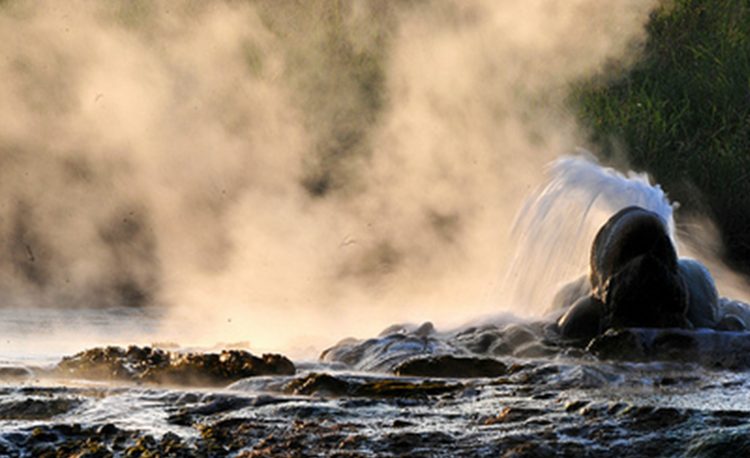
Semuliki National Park sprawls across the floor of the Semliki Valley on the remote western side of the Rwenzori. The park is dominated by the easternmost extension of the great Ituri Forest of the Congo Basin. This is one of Africa’s most ancient and bio-diverse forests, one of the few to survive the last ice age 12-18,000 years ago.
The Semliki Valley contains numerous features associated with central rather than eastern Africa. West African oil palms shade thatched huts; the Semliki River (which forms the international boundary) is a miniature version of the Congo River, the forest is home to numerous Central African wildlife species, and the local population includes a Batwa pygmy community that originated from the Ituri. As a result, this park provides a taste of Central Africa without having to leave Uganda.
While Semuliki’s species have been accumulating for over 25,000 years, the park contains evidence of even older processes. Hot springs bubble up from the depths to demonstrate the powerful subterranean forces that have been shaping the rift valley during the last 14 million years.
Things To Do In Semuliki National Park
There are so many things to do in Semuliki. Tourists can choose from activities like bird watching, visiting the Sempaya hot springs, game watching, hiking, and game drives. A culural visit to the local tribe outside the park is a wonderful experience too.
Bird watching. Semuliki National Park is one of the best places for bird watching in Uganda, The park has half of the bird species found in DRC because it is part of an extension of the greater Ituri Forest in Congo, which stretches up to river Zaire.
Birding in the park can be done in the forest, around the Sempaya hot springs, or behind the rangers’ post.
Apart from species already mentioned earlier, others include the African Dwarf Kingfishers, African Piculet, Bates’ Night jar, Black Dwarf Horn bill, Black-collared Lovebird, Black-wattled Hornbills, African Goshawk, Ayers Hawk-Eagle, Cassin’s Spinetail, Great Sparrows, Red-thighed Sparrows, White-spotted Flufftail, Black-winged Starling, Brown-crowned Eremomela, Chestnut-breasted Negro finches, Chestnut-flanked Goshawk, Chocolate-backed, Crested Malimbes, Eastern Bearded Greenbuls, Forest Francolin, Forest Thrushes, and many more.
forest and nature walks.
One of the park’s popular activities is walking through the forest jungles to spot the vegetation, birds, butterflies, and primates. Forest walks usually begin near the Sempaya park gate and end at the hot springs. There are three established walking trails in the park. One of them is the Sempaya Nature Trail, which is 8 km long; the Red Monkey Track is about 11 km, and the Kirumia Hiking Trail is 13 km. Hikers need to carry basic items like a machete to cut through overgrown vegetation while clearing paths in the forest. Visitors interested in camping in the forest need to come with their equipment.
Chimpanzee trekking.
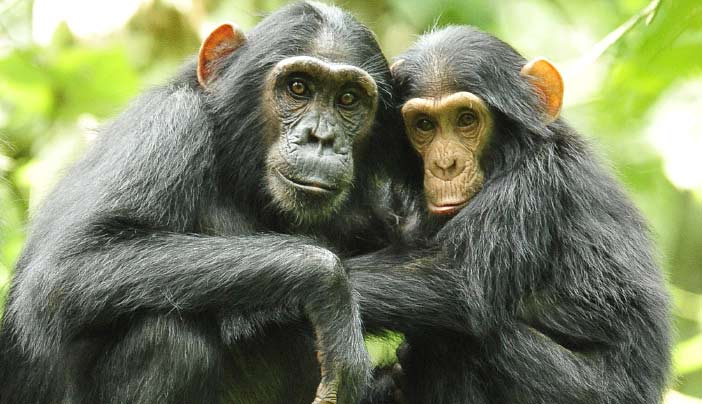
Chimpanzee tracking permits in Semuliki cost $30 for international visitors. While tracking the chimpanzees, visitors should also expect to spot smaller primates like the Black and white Colobus monkeys, Central African red colobus, Dent’s Mona monkeys, grey-cheeked mangabey, Olive baboons, and Red-tailed monkeys, among many others. It is important to come prepared with the right clothing and equipment to protect against stinging insects, sharp tree branches, and thorns. Come with enough drinking water and a light snack.
Visiting the Sempaya hot springs
The two hot springs have made the park quite famous. Tourists are more fascinated by the local legends surrounding their formation than by the scientific explanations. There are hot springs for both females and males. The male hot spring is about 12 meters in diameter and is called Bintente, while the female one is known as Nyasimbi. A boiling geyser erupts with steam and bubbling water several meters high, visible from over 1 kilometer away.
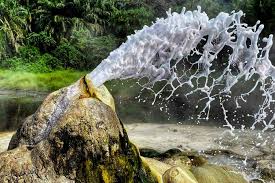 The water gushing out is hot enough to boil eggs.
As visitors head towards the hot springs, they encounter several species of birds and small primates climbing up and down the trees. The park authorities have built a tower and boardwalk for observing the hot springs at a safe distance. Local tribes usually organize cultural dances to entertain visitors who have come to see the hot springs.
Cultural visits and experiences.
The area around the National Park is home to four indigenous tribes. Visitors can choose to visit any of the four tribes living on the edges of the park. The Batwa pygmies are hunters and forest gatherers, while the Bakonjo and Bamba grow crops (rice, matooke/bananas, potatoes, and cocoa) on the slopes of Mount Rwenzori. The Batuku live in the northern section of the park as pastoralists. Tourism and modernization is changing the lives of these tribes, particularly the Batwa. The Batwa used to live freely in the forests of Rwanda, Uganda, and DR Congo but have been relocated to areas outside the national parks. Some of the Batwa in Semuliki National Park have been resettled in an area near Ntandi with the help of a Christian organization, ADRA, but with little success as they still find themselves longing for their old way of life in the forest. Some of the Batwa, with support from the Uganda Wildlife Authority, showcase their cultural heritage to visitors through dance, storytelling, and other demonstrations. The Batwa grow and smoke Marijuana.
What is the best time to visit Semuliki National Park?
The Park is open throughout the year. However, the best months to visit are during the dry seasons of April – June and July – September. During these dry months, driving through the park is easier because there is less mud. The rainy season, which falls between December – March and October to November, causes difficulty navigating through the park. Some sections of the park become flooded as the rains fill up the rivers.
Accommodation in Semuliki National Park
Semuliki Safari Lodge: This lodge is the oldest in the area and is found in the Semliki Wildlife Reserve near the park with wonderful views of Congo’s Blue Mountains. The lodge is made up of luxury tents that are built with local materials. About 18 people can be accommodated in a day. As the only lodge in about 500 sq km, it offers a truly private wilderness experience. Some of the facilities in the lodge include a bar, restaurant, hot showers, comfortable sofas, a lounge area, a reading area, and a swimming pool. Food and breakfast can be brought to the room and comprise well-made local and international cuisines. Residents can, therefore, have an opportunity to visit the researchers and to learn about the process of habituating chimpanzees and how studying their lifestyle helps understand the man.
Ntoroko Game Lodge:
This lodge is also built at the Semuliki Wildlife reserve near Lake Albert. The lodge has Luxury tents that are next to the beautiful and unspoiled sand beaches of Lake Albert. Ntoroko Game Lodge is suitable for visitors on honeymoon vacations who desire privacy. The lodge has beautiful wooden floors and stylish stone exteriors with great views of Lake Albert. There are both single and double rooms that have fans, a safe, hairdryers, heaters, and private balconies.
Uganda Wild Authority Campsites and bandas:
The campsites are built 3 km from the Sempaya trail, where most activities in the park begin. Although the rooms in the bandas are comfortable, there are no meals. Visitors need to order the meals or hire cooking utensils to cook their packed food.
Accessing Semuliki National Park
from Kampala, taking the Mubende-Fort Portal route, which is a 5-6 hour drive, or the Masaka-Mbarara-Kasese route, which takes around 7 hours; you can also reach the park by air, flying to the Semliki airstrip near Kasese and then driving a short distance to the park entrance.